Product fidelity
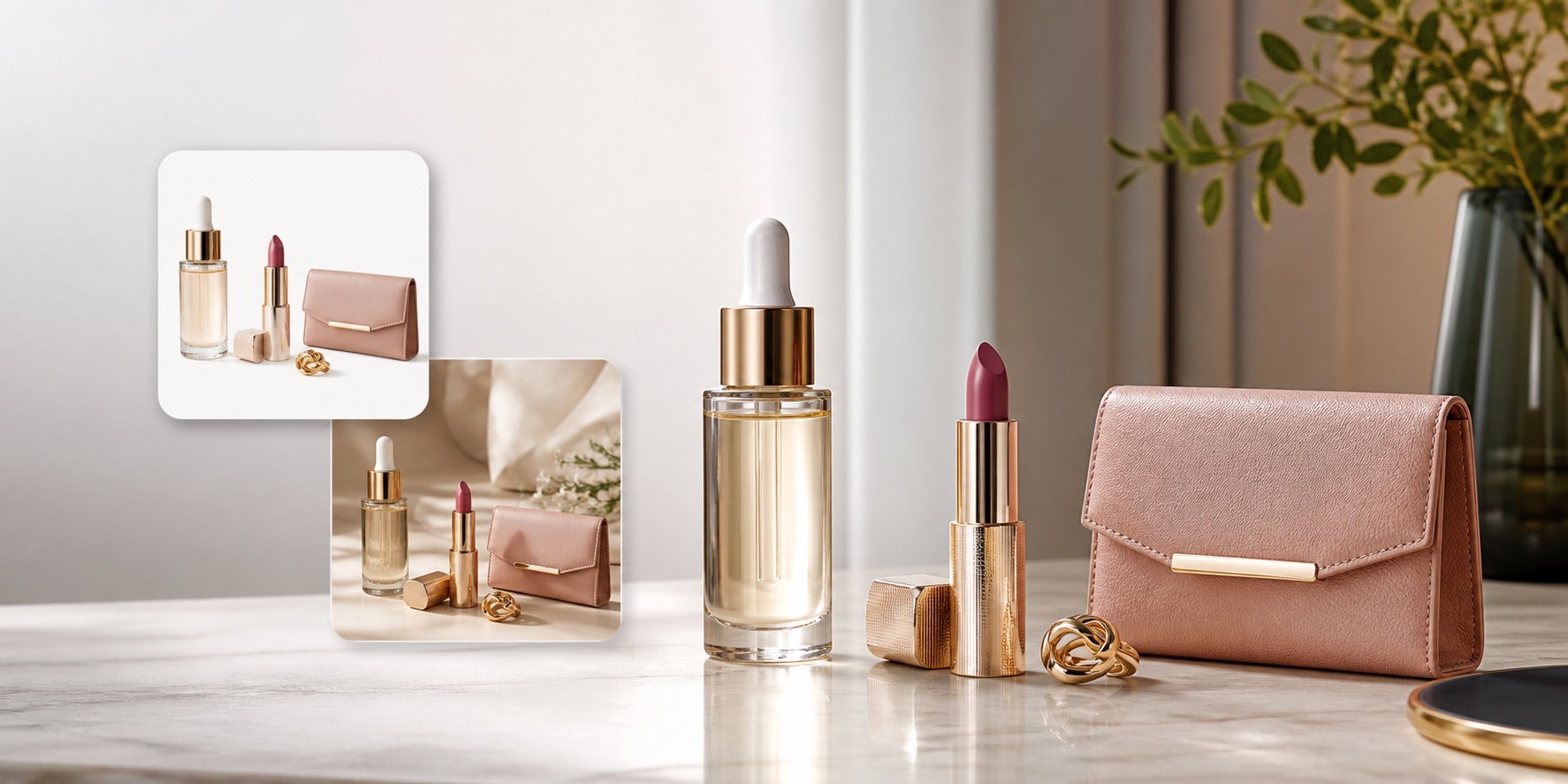
The generated image should preserve the SKU's shape, color, label, logo, material, packaging, and key details.
Ecommerce image compliance workflow
Create product visuals that look premium while still protecting the real SKU: shape, color, logo, label text, scale, material, and channel fit.
Definition
Compliant AI product images are ecommerce visuals prepared to match the real product, the sales channel, and the buyer's expectations. They are not just beautiful images; they are product assets that can be reviewed, trusted, and used in a commercial workflow.
The generated image should preserve the SKU's shape, color, label, logo, material, packaging, and key details.
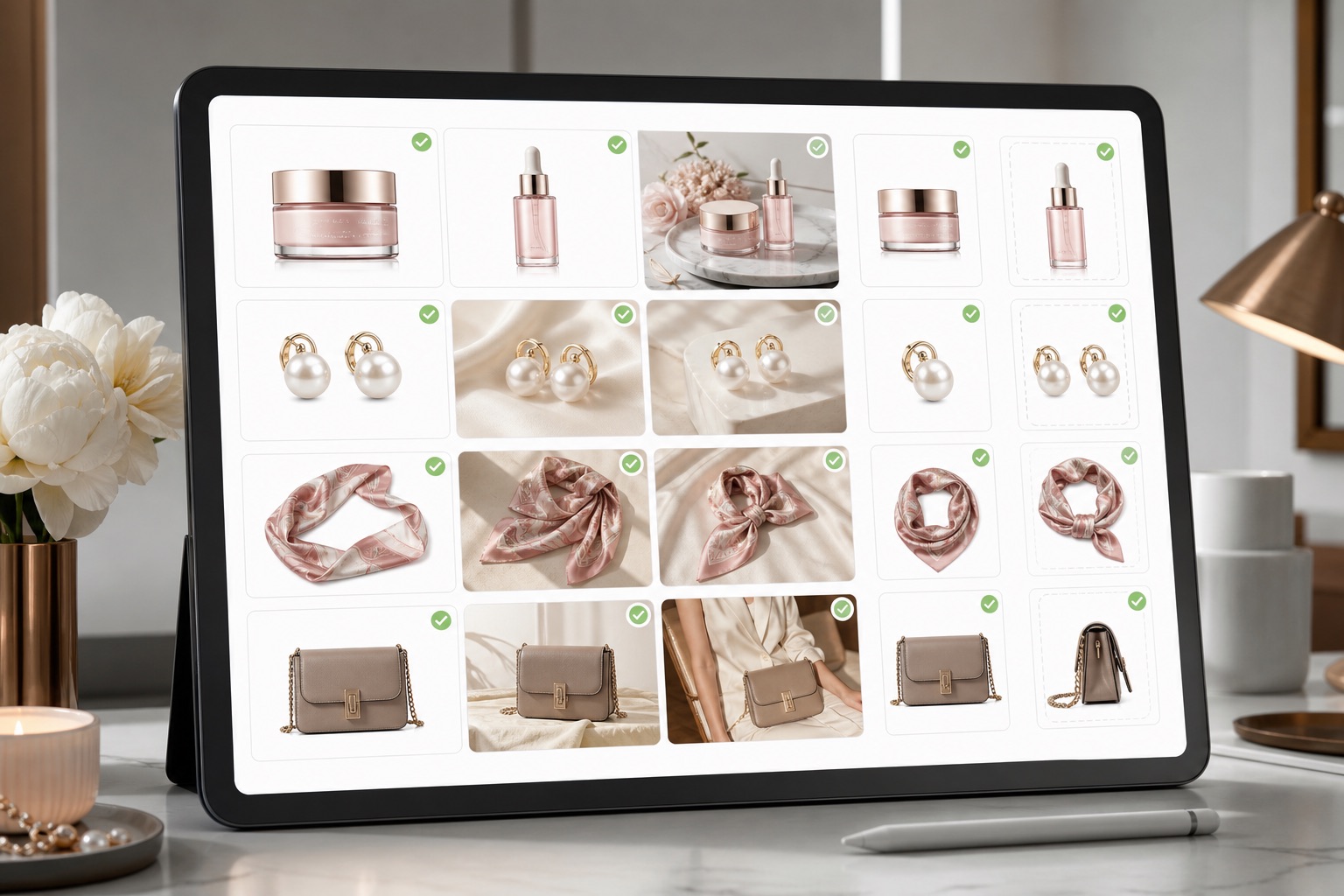
A main image, lifestyle image, ad crop, and product gallery visual each need different background, framing, and review standards.
The scene should help shoppers understand the product without implying features, scale, ingredients, or included items that are not real.
Problem
Many AI image tools can make a product look expensive. The hard part is making the visual useful for ecommerce: accurate enough for the product page, clean enough for marketplaces, and controlled enough for ads.
May invent label text, change the bottle shape, alter colors, add unsupported claims, hide important details, or create a lifestyle context that misrepresents the product.
Starts with the real product reference, generates channel-specific visuals, and keeps review focused on SKU identity, product accuracy, and publish-ready quality.
Workflow
Use a clear source image that shows packaging, labels, color, shape, surface texture, and any details buyers rely on.
Generate for a product page, gallery, marketplace main image, lifestyle scene, ad creative, or mobile crop instead of treating every image the same.
Compare the output with the reference. Check logos, text, color, proportions, material, shadows, reflections, scale, and included items.
Use the final image where it improves the buying decision, and keep anything uncertain out of live listings until a human reviews it.

Use cases
Turn a basic product shot into a clearer gallery with detail, context, and lifestyle visuals that support conversion.
Prepare cleaner backgrounds, consistent framing, and review-friendly outputs for listings where image trust matters.
Keep product visuals readable, clean, and less likely to confuse shoppers across shopping surfaces.
Create ad variations that test mood, context, and angle without drifting away from the product buyers will receive.
Protect label details, package color, reflections, texture cues, and premium brand feel.
Show scale, material, finish, styling, and detail while keeping the item recognizable across channels.
Best practices

FAQ
For ecommerce teams, compliant means the image is suitable for the intended channel, accurately represents the SKU, avoids misleading visual claims, and is ready for human review before publishing. It does not mean automatic legal approval or guaranteed marketplace acceptance.
Yes, but the workflow must start from a real product reference and include accuracy checks for shape, color, logo, label text, materials, scale, and packaging details. The lifestyle scene should add context, not rewrite the product.
Generic image tools often optimize for visual appeal first. That can introduce invented packaging, unrealistic scale, altered labels, unsupported claims, missing product details, or backgrounds that distract from what the buyer will actually receive.
Shopify stores, Amazon listings, Google Merchant Center, Etsy shops, paid social ads, email campaigns, and AI shopping surfaces all use images differently. A useful workflow checks crop, background, context, claims, readability, and product fidelity for each channel.
Review the original product next to the output. Check silhouette, color, logo, label text, materials, size cues, reflections, shadows, background context, and whether the image could cause a buyer to expect a different product.
Rewarx is built for ecommerce visual production: start with product references, generate product images and lifestyle mockups, review accuracy, prepare channel-ready crops, and keep the final asset useful for product pages, galleries, ads, and marketplace workflows.
No. Supplements, skincare, beauty, fashion, jewelry, home decor, handmade goods, and electronics all benefit from accuracy-aware visuals. The risk is not only regulation; it is also buyer trust, return reduction, and brand consistency.
Use a reference-first workflow, keep an approval checklist, compare the generated output against the real SKU, avoid exaggerated claims, and publish only images that improve the buying decision without misleading the customer.
Use Rewarx Studio AI to generate product images, lifestyle mockups, ad crops, and ecommerce galleries with product accuracy in mind.
Related pages, topics, and solutions