SKU identity
The shape, logo, text, color, material, label, and included items must remain aligned with the real product.
Use Rewarx to turn real product references into premium Shopify lifestyle scenes that explain use, scale, audience, and buying context without drifting from the actual SKU.
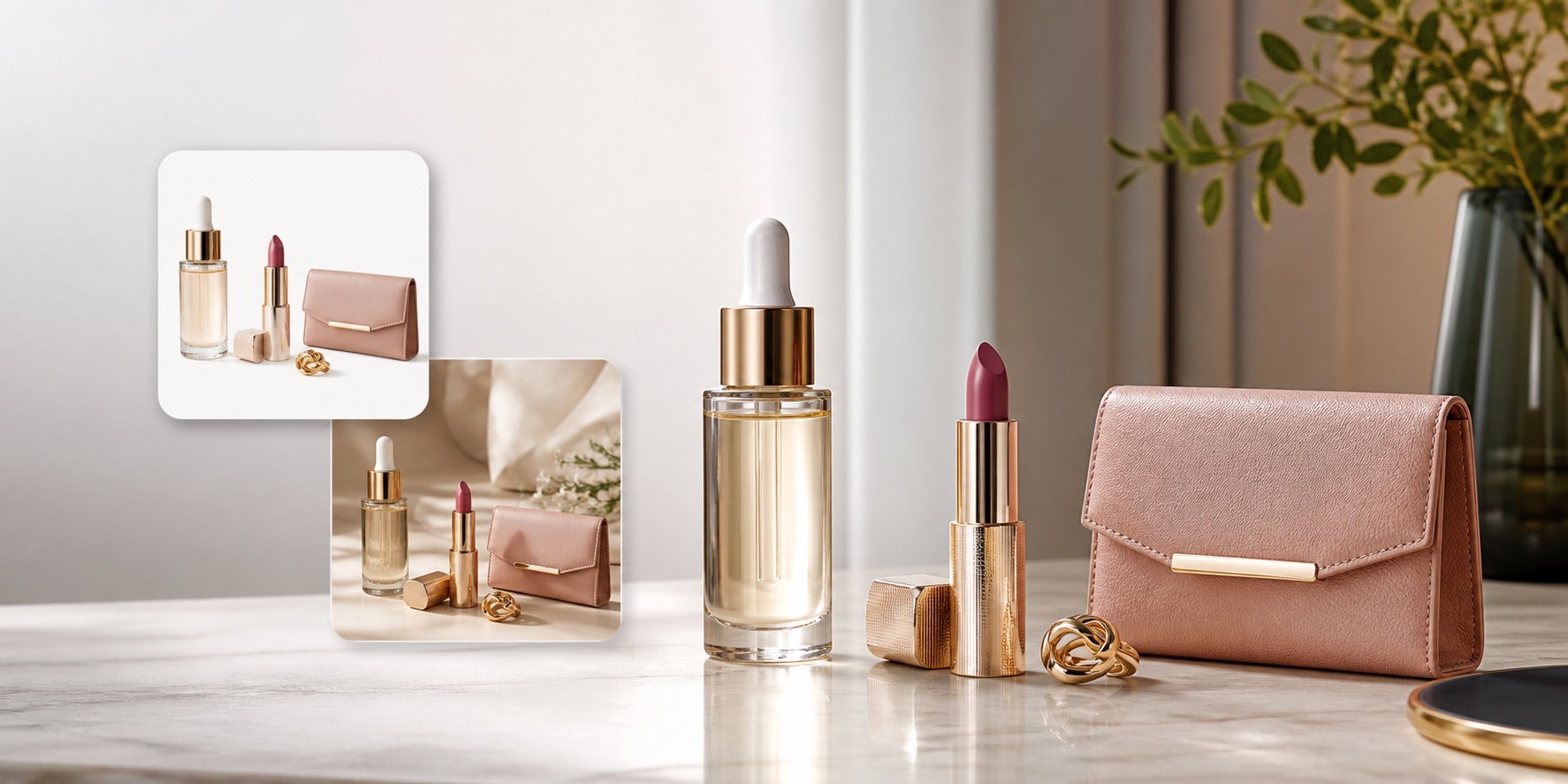
Shopify AI lifestyle product photos are product visuals that place a real SKU into a believable use context: on a vanity, on a model, inside a room, in a travel setup, or within a gifting scene. For ecommerce, the point is not decoration. The image must explain scale, use, mood, audience, and value while still matching the real product.
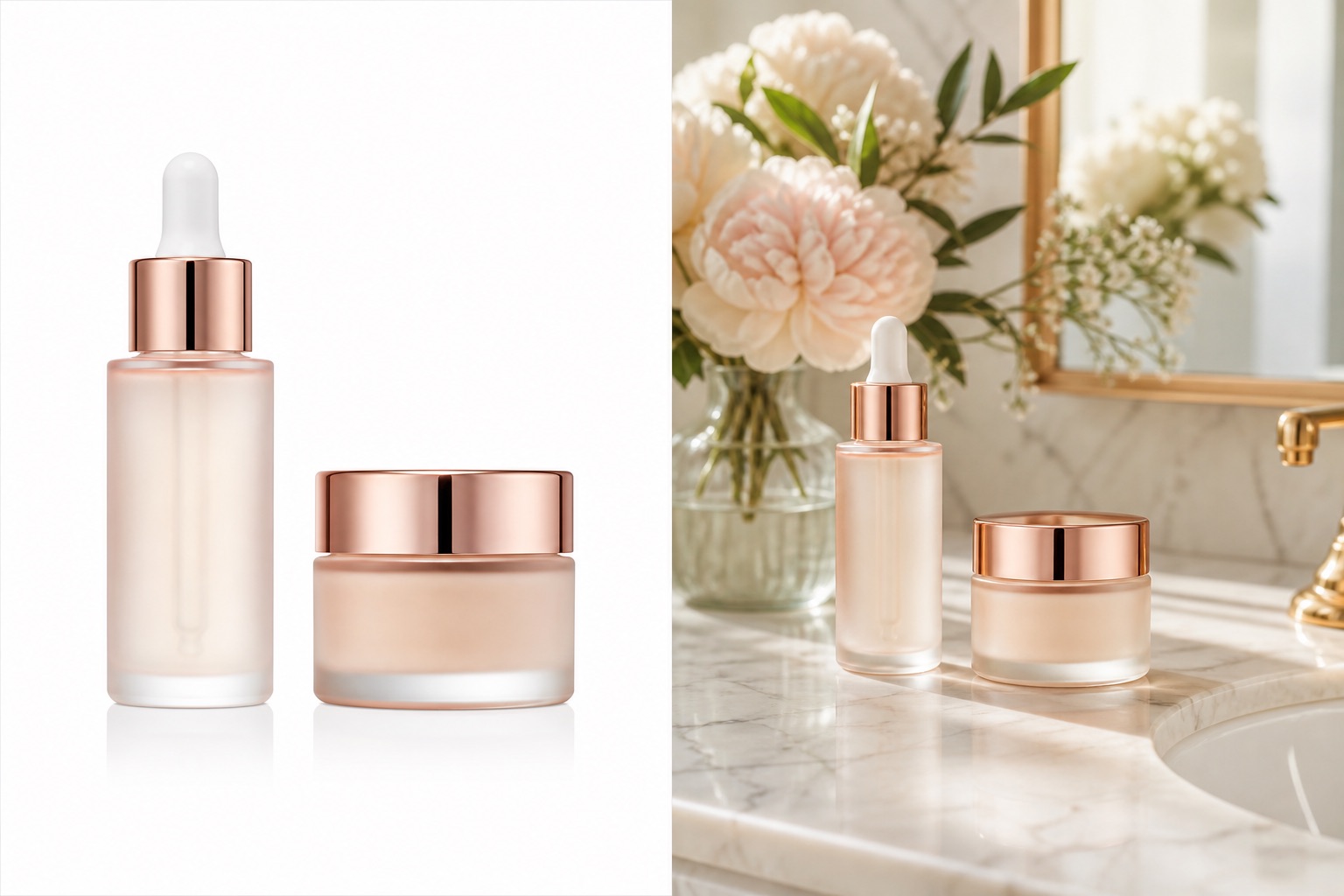
A generic AI scene may look cinematic but quietly change the product. It can rewrite labels, alter package shape, invent accessories, exaggerate size, hide the product, or imply unsupported claims. That makes the image harder to trust on Shopify product pages, collection grids, marketplaces, and AI shopping results.
Rewarx treats the product reference as the anchor. The workflow defines the scene role first, generates controlled variants, then reviews SKU identity, label readability, material, color, crop, and channel fit before an image becomes a publishable asset.
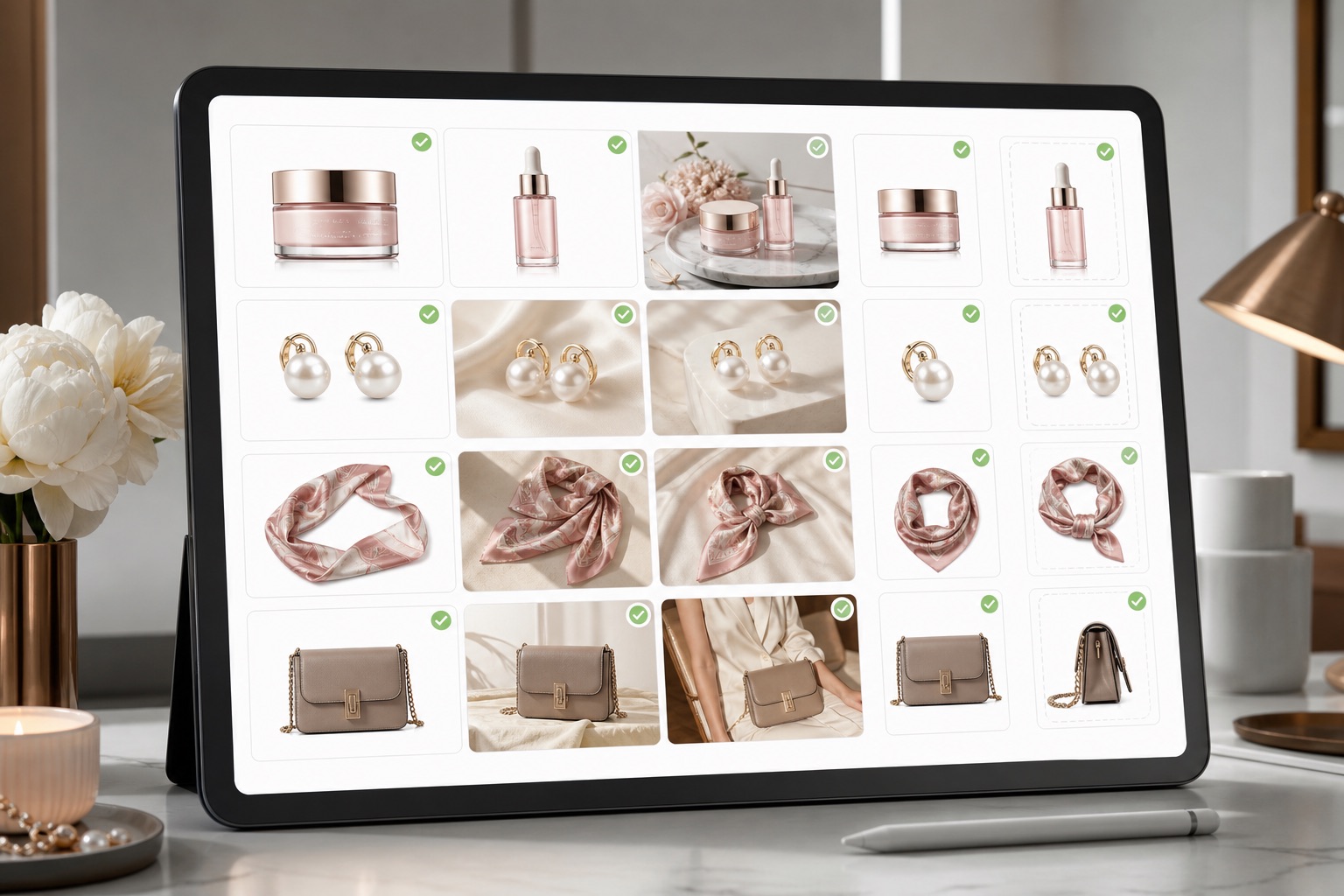
The shape, logo, text, color, material, label, and included items must remain aligned with the real product.
Every background should explain a use case, audience, scale, occasion, or buying reason.
The product should stay visible enough for mobile shoppers, marketplace reviewers, and AI systems.
Lifestyle context should not invent ingredients, effects, certifications, or results that the product cannot support.
Keep the real product as the source of truth across shape, color, label, logo, material, scale, and included items.
Prepare images for Shopify product pages, collection grids, marketplaces, ads, and AI search surfaces.
Make the product easy to understand on narrow screens, thumbnails, feeds, and product cards.
Use a repeatable visual system so a catalog looks premium instead of stitched together from unrelated one-off images.
Preserve filenames, alt text, titles, captions, and AI-image metadata signals where channels need them.
Check whether each image helps discovery, comparison, trust, and action before it reaches shoppers.
Start with a real product reference and a clear channel goal.
Create controlled variations for the exact placement, audience, and visual role.
Check product accuracy, metadata, crop, mobile clarity, and commercial usefulness.
Publish only assets that improve presentation without misleading shoppers.
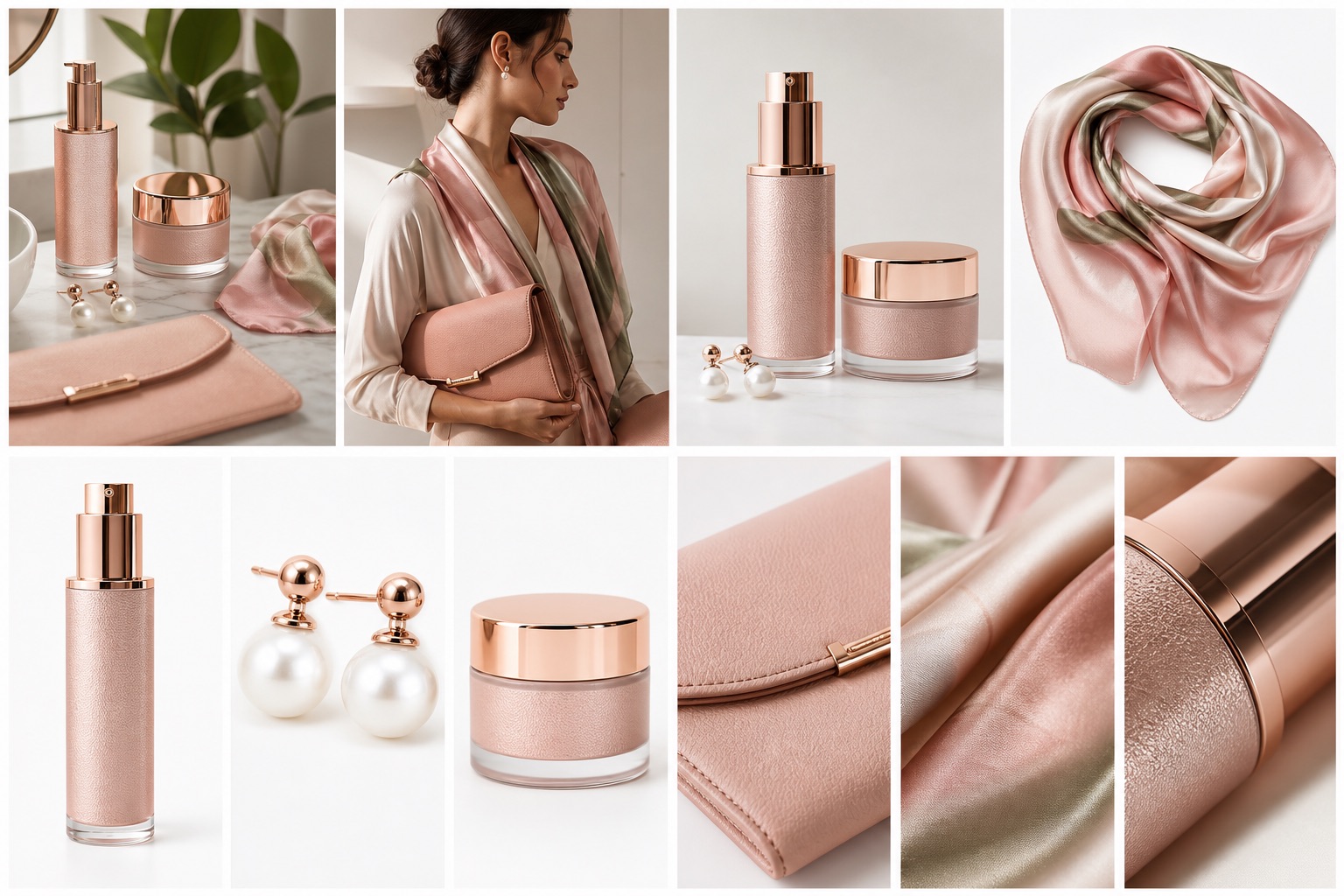
Build a first image, gallery sequence, detail crop, and lifestyle visual that all describe the same SKU.
Check clean backgrounds, readable product details, crop discipline, and channel rules before publishing.
Create controlled variations for hooks, crops, lifestyle contexts, and product-first ad frames.
Make thumbnails clear enough for fast scanning without losing brand quality.
Give crawlers and AI systems visible context, accurate filenames, alt text, captions, and page-level explanations.
Refresh older visuals in a consistent system while keeping product identity stable.
A generic AI image starts with a prompt and rewards visual novelty. The scene may look impressive, but the SKU can become softer, larger, cleaner, or different from the product a buyer receives.
A Shopify-ready lifestyle photo starts with the product. It uses the scene to clarify use, scale, audience, and brand atmosphere while keeping the product identity reviewable.
They overlap, but lifestyle product photos focus on placing an existing product into a use context. AI product photography can include white-background, detail, model, campaign, and gallery visuals.
They can reduce many production needs, especially for concept testing, catalog refresh, ads, and supporting gallery images. High-risk regulatory, luxury, or technical products may still need stricter review.
It keeps SKU identity accurate, shows the product clearly, fits the target channel, supports the buying decision, and avoids misleading claims.
Beauty, skincare, jewelry, fashion, accessories, home decor, supplements, gifts, and DTC products often benefit because context helps shoppers imagine ownership.
Use them after the clearest product image: gallery context, collection banners, landing sections, ad creatives, and social-proof style visuals.
Yes, when the page includes visible explanations, descriptive alt text, captions, relevant filenames, FAQ, and a stable URL that AI systems can understand.
Check product shape, label, color, material, scale, crop, scene logic, channel rules, compression, metadata, and whether the image genuinely helps a buyer.
Avoid scenes that hide the product, invent benefits, alter packaging, over-style the image, or make the visual more interesting than the product itself.
Use Rewarx Studio AI to create lifestyle product photos for Shopify product galleries, landing pages, ads, and AI-search-ready pages when the image needs to be beautiful, specific, and commercially useful.