Buyer trust
The image must make the product easier to understand, not create doubt about color, shape, material, logo, label, or scale.
Turn real garment references into flat lays, ghost mannequin-style images, AI model context, detail crops, and mobile-ready galleries while reviewing fabric, fit cues, color, seams, and proportions before publishing.
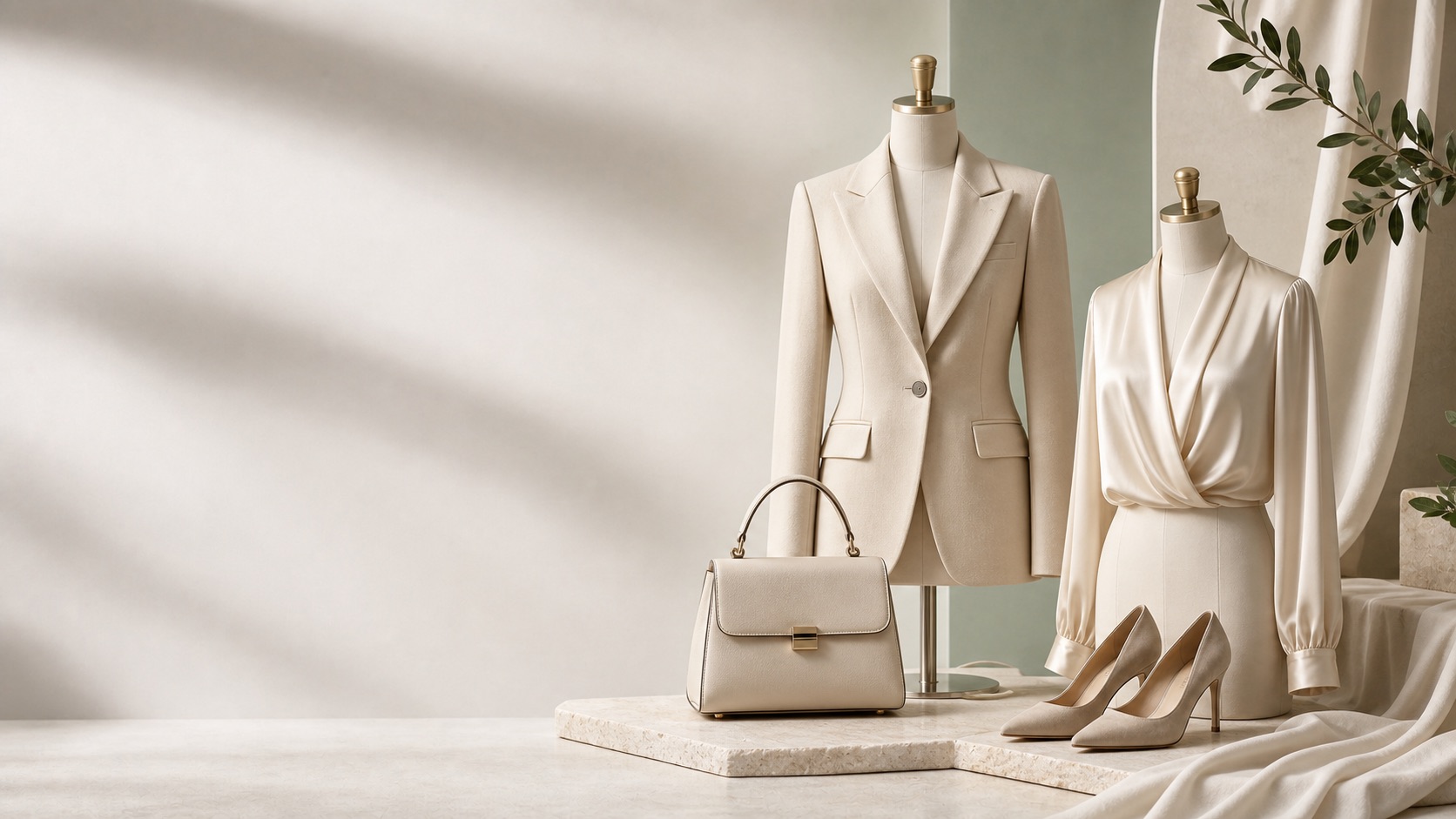
What is clothing photography without models?
Clothing photography without models means creating apparel images through flat lays, hanger shots, mannequins, ghost mannequin effects, detail crops, AI model visuals, and lifestyle scenes instead of a traditional live model session. The goal is not to hide the absence of a model; it is to help shoppers understand garment shape, material, fit cues, size, styling, and quality.
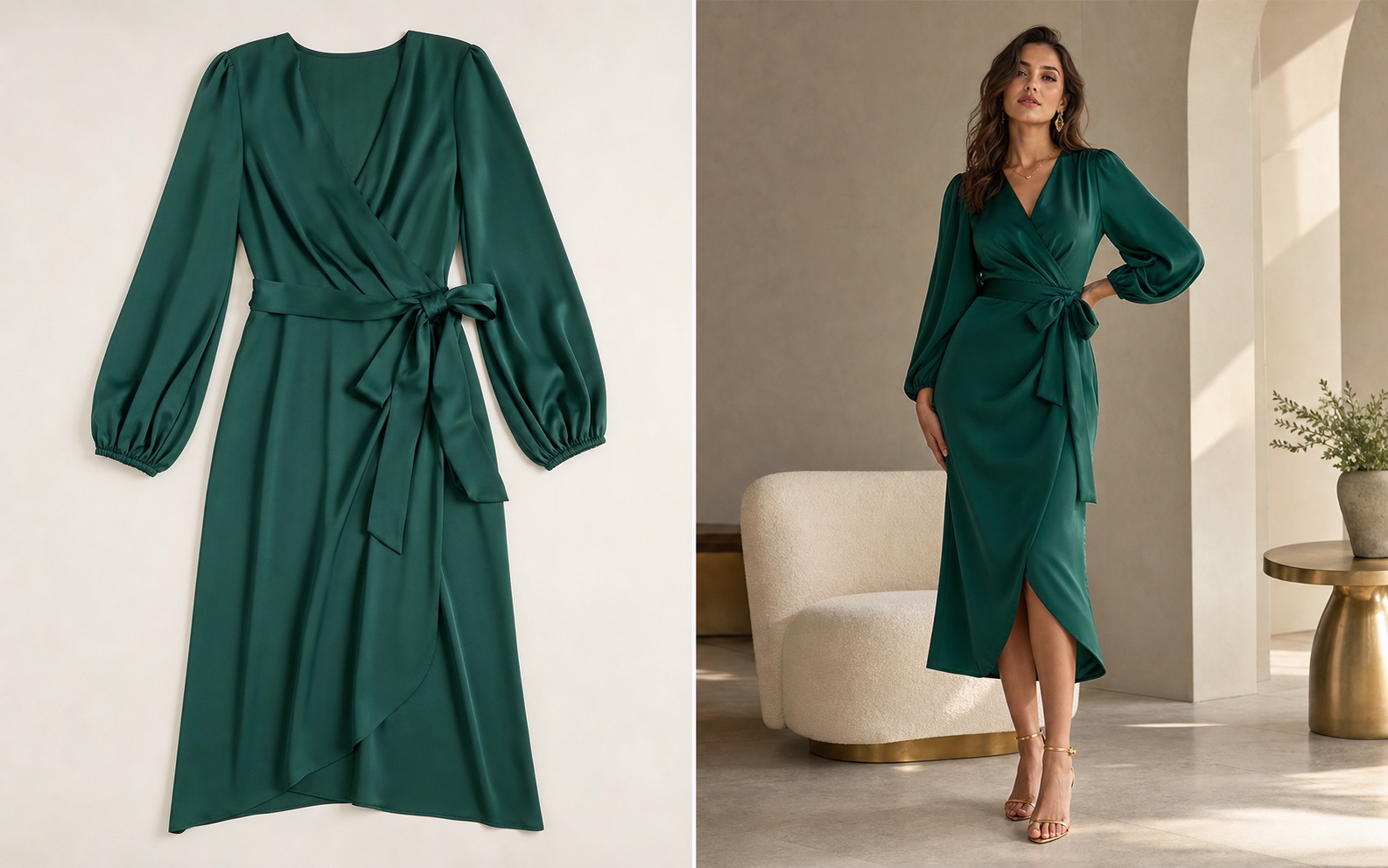
Decision context
For Clothing Photography Without Models, the real challenge is not making one impressive image. Ecommerce teams need a repeatable way to create visuals that match the product, fit the channel, and help a buyer decide.
The image must make the product easier to understand, not create doubt about color, shape, material, logo, label, or scale.
Stores need more image variations for launches, collections, ads, marketplaces, and seasonal campaigns without turning every update into a full shoot.
A hero image, product gallery, social ad, marketplace crop, and mobile collection tile each need a different visual job.
Garment accuracy workflow
A strong Rewarx Studio AI workflow starts from the product reference, builds useful commercial contexts around it, and keeps accuracy review close to publication.
Use the reference as the source of truth for shape, proportions, visible branding, packaging, material, and important label areas.
Generate backgrounds, model scenes, detail views, and campaign visuals that explain use, quality, size, and buying intent.
Choose the best image only after checking product fidelity, crop, contrast, mobile readability, and whether the image helps the page convert.
Keep winning styles, prompts, crops, filenames, alt text, and review notes so future SKUs can be produced with less guesswork.
Where it fits
Use the visual set where it answers a buyer question, reduces production delay, or gives the team a stronger creative test without sacrificing product accuracy.
Show the item clearly, then add lifestyle and detail images that make quality, texture, size, and use easier to judge.
Create controlled variations for creative testing while keeping the SKU recognizable across every campaign.
Prepare cleaner crops, consistent backgrounds, and scannable images for small screens and external channels.
What a strong model-free fashion workflow needs
Turn flat product shots into cleaner, more premium ecommerce visuals without losing garment identity.
Show garment shape and structure without requiring a live model in every SKU shoot.
Use AI model imagery when it helps explain fit, styling, audience, or collection direction.
Create fabric, stitching, hardware, label, sole, strap, zipper, and texture detail images for buyer confidence.
Keep a catalog visually consistent across colors, sizes, drops, and product categories.
Prepare file names, alt text, captions, compression, and stable URLs for SEO, GEO, and AI Search.
Workflow for clothing photos without models
Use clear images that show front, back, texture, label, construction, color, and proportions.
Decide whether the image should explain shape, detail, fit, styling, collection mood, or ad hook.
Create flat lay, ghost mannequin, AI model, detail, and gallery variants from the same product identity.
Check garment accuracy, color, fabric, seams, scale, crop, metadata, mobile clarity, and channel fit.
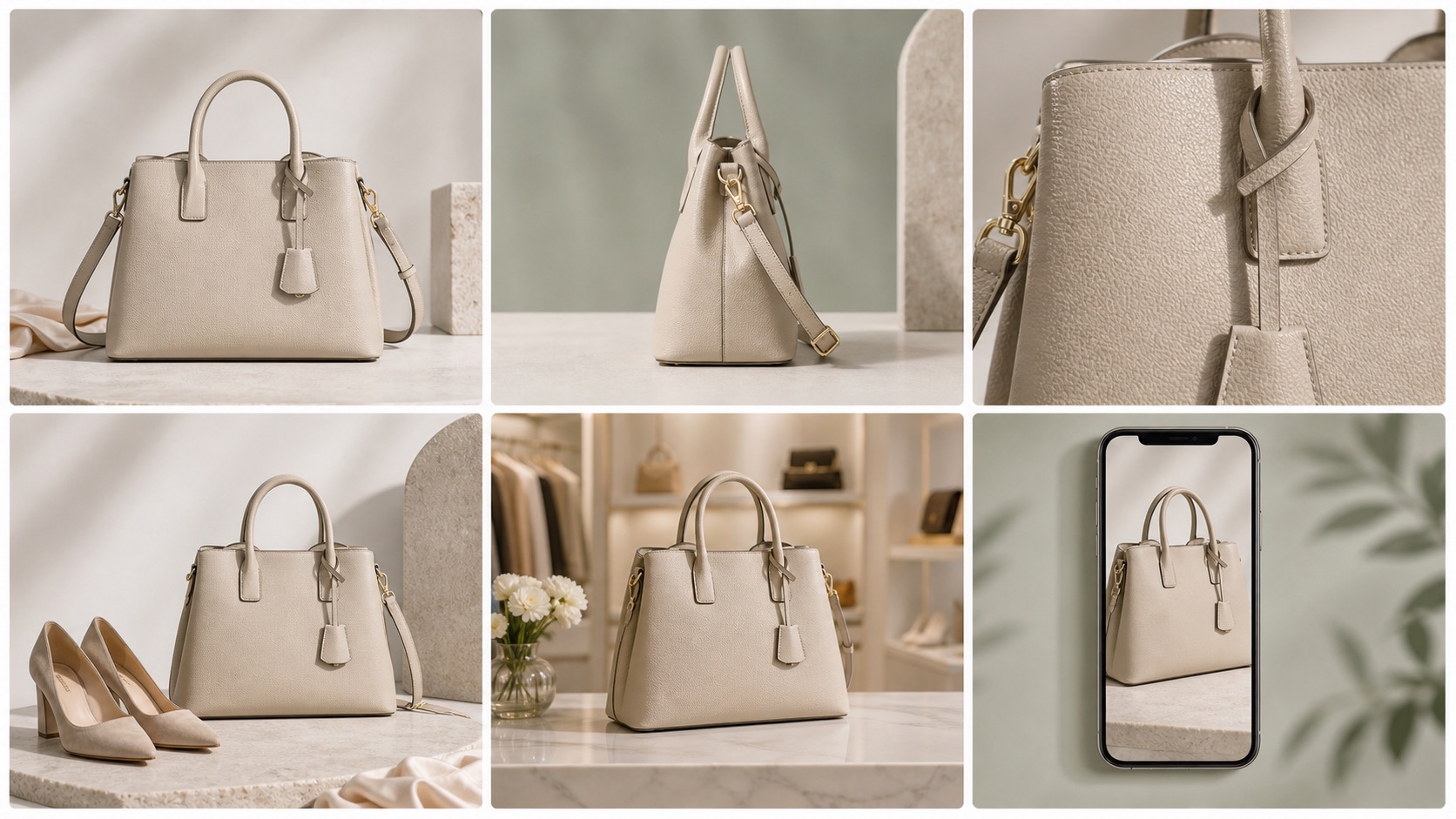
Where fashion sellers use model-free imagery
Build product pages and collection grids that make apparel easier to compare on mobile.
Update older apparel images without reshooting every SKU with a full production crew.
Show scale, material, stitching, hardware, and angles without relying on lifestyle-only imagery.
Prepare clean main images and supporting detail views while keeping channel requirements in mind.
Create model-free and AI-model variants for testing hooks, crops, backgrounds, and styling.
Combine visible explanations, alt text, FAQ, and accurate images that AI systems can understand.
Flat product image vs ecommerce-ready fashion visual system
A basic no-model image may show the garment but not the fit, drape, texture, scale, or styling reason a shopper needs before buying.
A Rewarx fashion workflow turns the same garment into a clearer product gallery with product-first accuracy, stronger style context, better mobile scanning, and reusable assets for Shopify, ads, and AI Search.
Best practices for photographing clothing without models
FAQ
Yes. Apparel can be shown through flat lays, hangers, mannequins, ghost mannequin effects, detail crops, AI model imagery, and lifestyle context. The best approach depends on the garment and the sales channel.
For many ecommerce catalogs, a mix of clean product images, ghost mannequin-style shape, detail crops, and selective AI model visuals gives more coverage than one expensive model shoot.
Use AI models when shoppers need styling, fit cues, or audience context. Avoid AI model images if they change the garment shape, print, color, or construction.
Use ghost mannequin views, drape-focused images, front/back angles, scale references, size notes, detail crops, and consistent garment positioning.
Yes. Shopify product pages and collection grids need fast-scanning images that show silhouette, color, material, and value before shoppers click deeper.
Dresses, tops, jackets, denim, shoes, bags, activewear, accessories, and multi-color fashion catalogs benefit because visual consistency is hard to maintain manually.
Check color, fabric, seam placement, print, hardware, shape, crop, label, image compression, alt text, and whether the photo helps the shopper make a decision.
Yes, when images are paired with descriptive file names, alt text, visible page explanations, FAQ, captions, and stable URLs.
Use Rewarx Studio AI when a fashion catalog needs premium product visuals without the cost, scheduling, and inconsistency of a traditional model shoot.
Related pages, topics, and solutions