Start with SKU truth
Use one clear product reference as the source for shape, color, material, logo zones, labels, packaging, quantity, and scale cues.
Turn real product references into studio shots, lifestyle scenes, ad variants, and channel crops while your team keeps shape, color, material, labels, packaging, and publication fit under review.
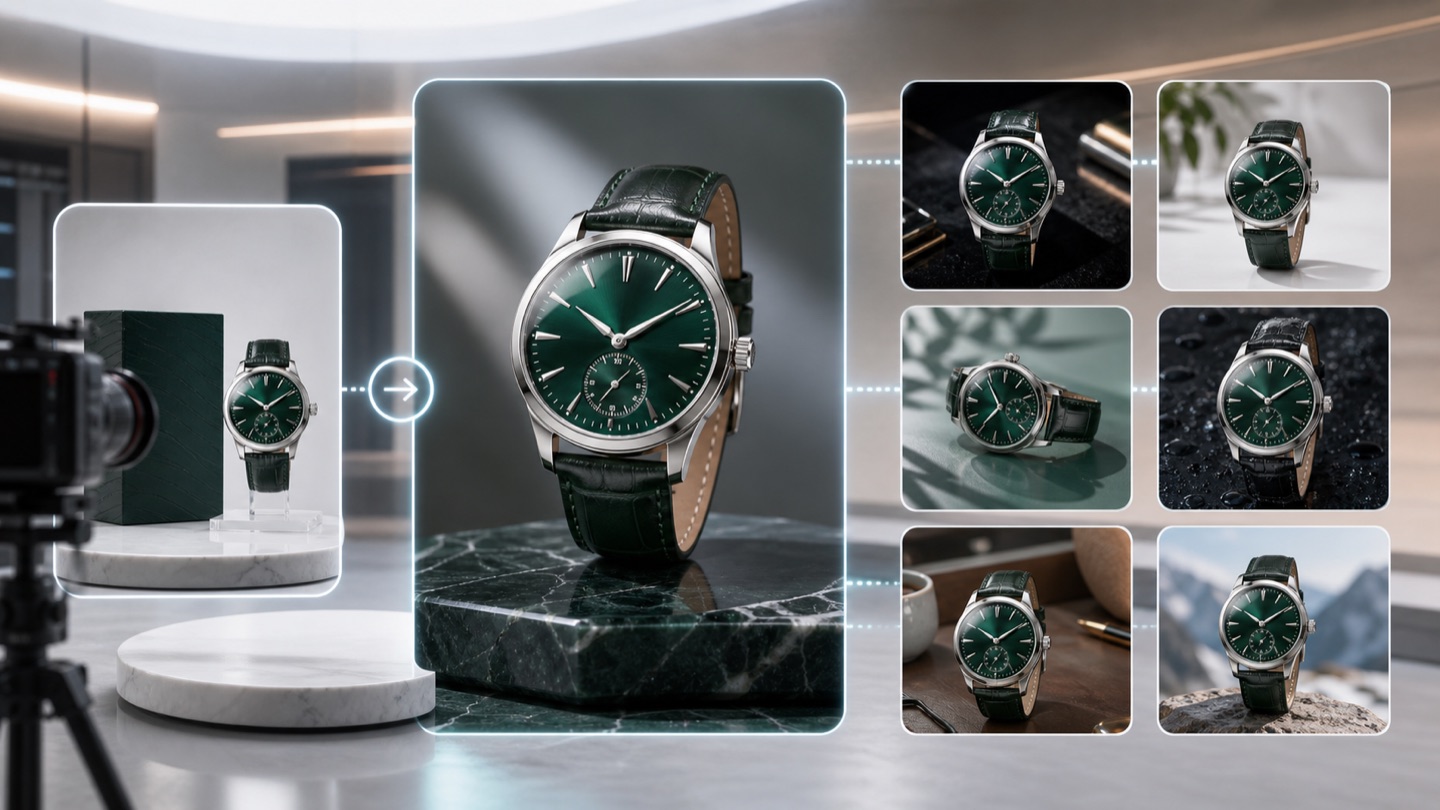
Studio workflow
A useful AI photography studio should help ecommerce teams move from a real SKU reference to publishable product visuals without losing shape, color, material, labels, packaging, or channel fit.
Use one clear product reference as the source for shape, color, material, logo zones, labels, packaging, quantity, and scale cues.
Decide whether the output is a product page hero, lifestyle scene, detail crop, ad creative, collection tile, or marketplace asset.
Check each candidate image for product drift, mobile crop, background fit, alt text, filename, and channel use before publishing.
Keep creation, review, and app entry points close together so a merchant can move from reference image to usable visual set.
Fast answer for ecommerce teams
AI product photography should make a real item easier to understand, trust, and sell across ecommerce surfaces without turning it into a different product.
Use a real product reference to create product-page, ad, marketplace, and campaign images with controlled scenes and reviewable accuracy.
Beauty, fashion, jewelry, supplements, home goods, accessories, DTC launches, and Shopify teams that need many credible product visuals.
A generic generator may invent a new object. A product photography workflow should preserve shape, logo zones, labels, color, material, and packaging cues.
Approve an image only when it improves visual appeal while matching the real SKU closely enough for buyer trust.
Real SKU reference, many selling contexts
AI product photography uses generative AI to create commercial product images from a real reference, controlled prompt, or visual input. For ecommerce, it is useful when a seller needs PDP images, lifestyle scenes, ad creatives, marketplace crops, and seasonal concepts without arranging a full shoot for every variation.
The value is not a random polished picture. A strong workflow keeps the watch, shoe, bottle, bag, or package recognizable while changing scene, lighting, angle, and campaign context.
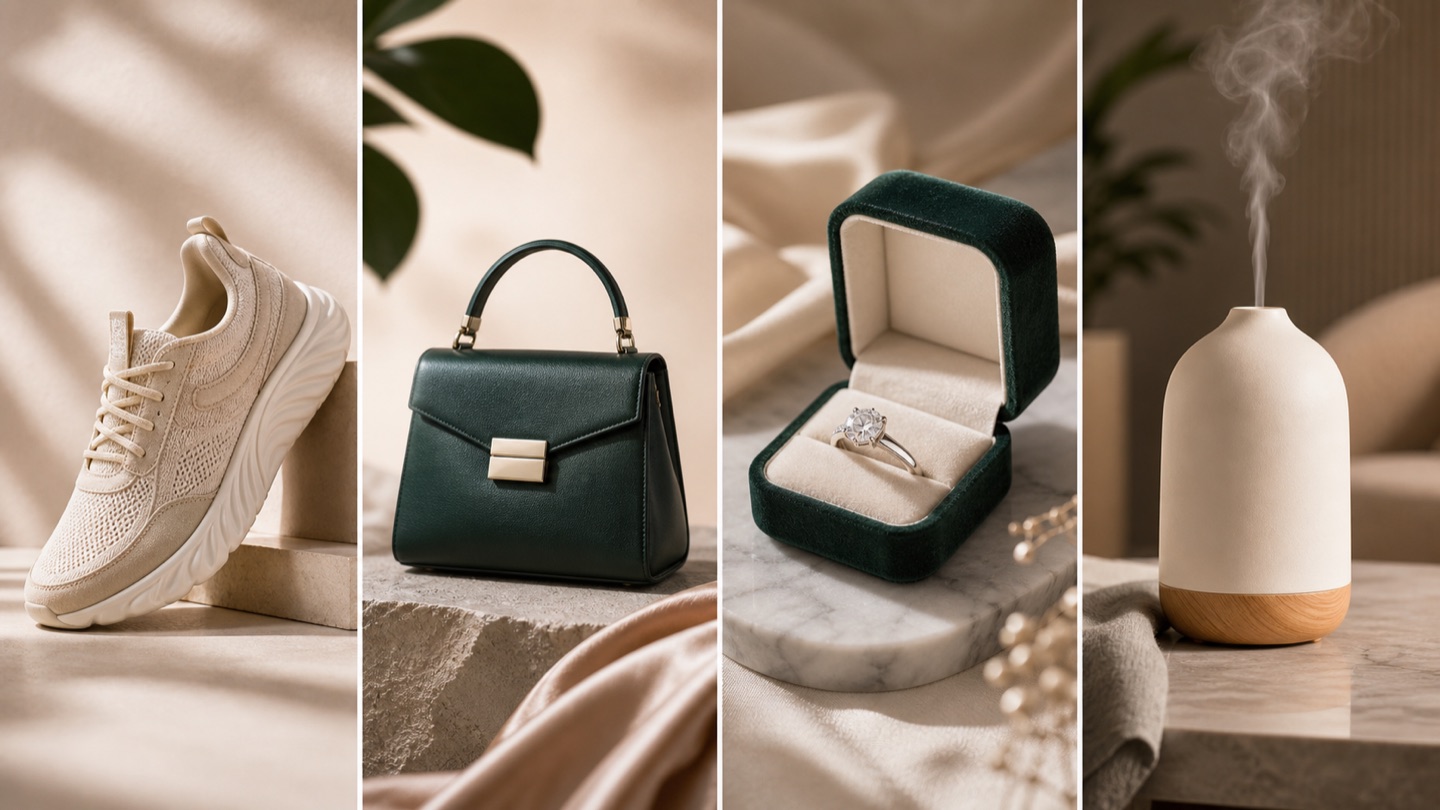
Traditional photography is powerful, but it becomes slow when every SKU, campaign, and channel needs a new variation. Generic AI image tools move fast, but they often change the product itself. Ecommerce teams need both speed and fidelity.
Studios, props, models, retouching, and reshoots become expensive when the catalog changes often.
Shopify stores, Amazon listings, paid social, landing pages, and emails all need different crops and moods.
If color, shape, material, or packaging shifts too far, shoppers lose confidence in what they are buying.
A practical workflow starts with product truth. Rewarx Studio AI treats the reference image as the source of truth, then uses generation to create selling contexts around it.
Use a clear product image that shows shape, color, material, packaging, and important details.
Define whether the image is for a product page, ad, marketplace listing, collection tile, or comparison section.
Create premium backgrounds, lifestyle settings, angles, and lighting styles while keeping the product recognizable.
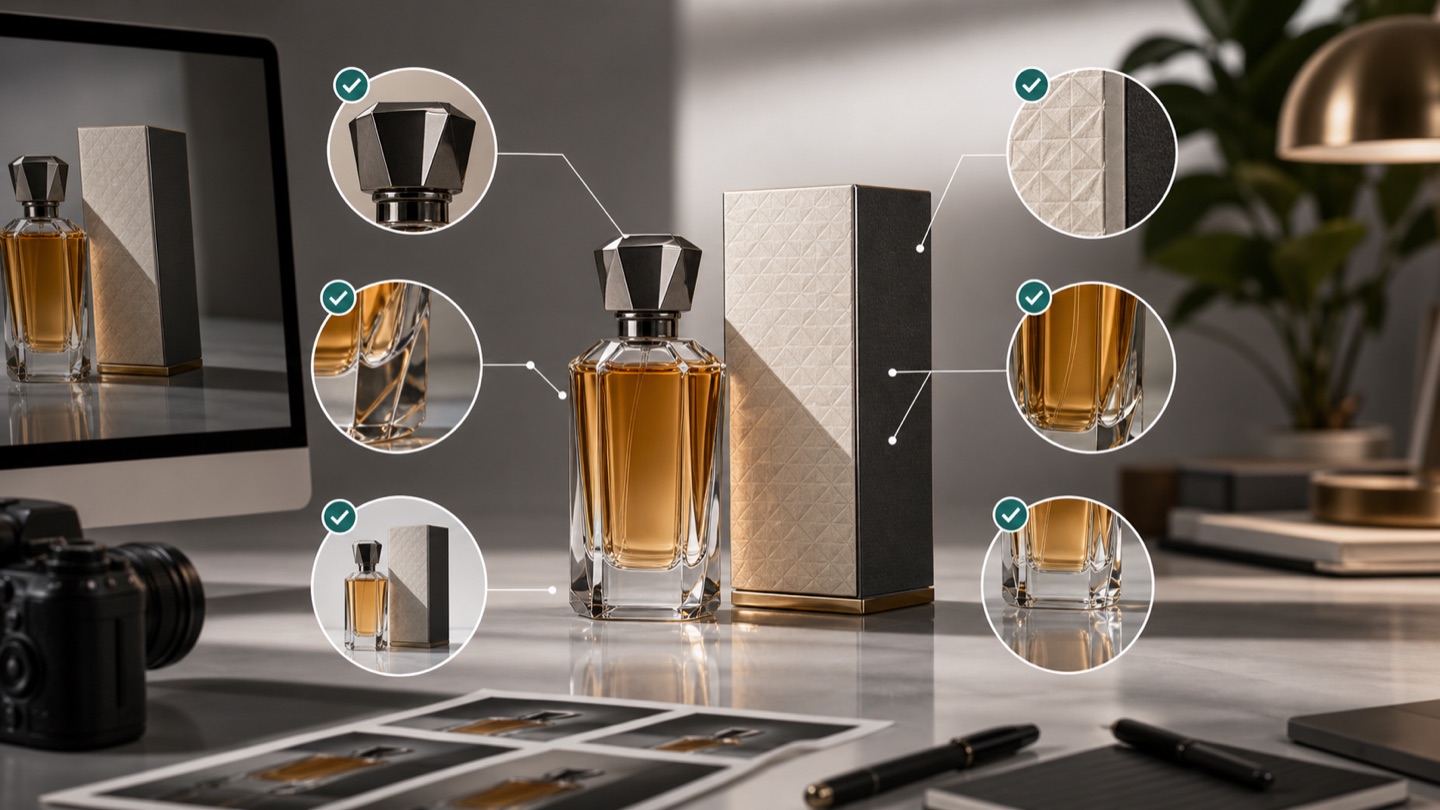
Check logo areas, text areas, material, color, shape, size cues, and whether the final image supports buyer trust.
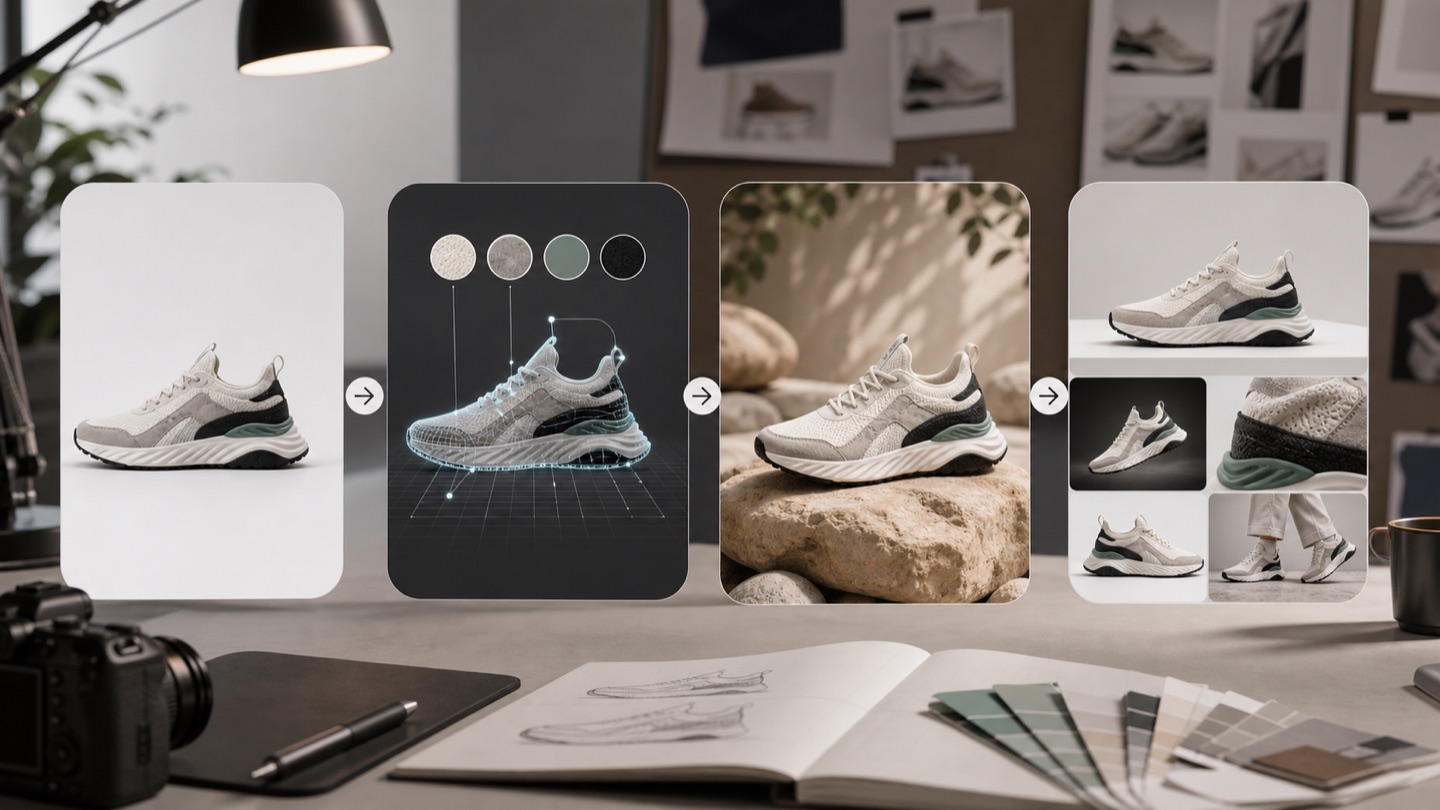
Rewarx Studio AI helps teams create attractive product scenes while keeping a structured review process for product accuracy before images go live.
Start from the product and build scenes around it instead of inventing a disconnected object.
Create clean studio shots, editorial lifestyle scenes, seasonal campaigns, and ad variants.
Review logo areas, label zones, color, shape, material, and packaging before images go live.
Use consistent image patterns across product pages, collections, ads, and related landing pages.
The strongest use cases are categories where visual trust, material quality, and repeatable image production affect conversion.
| Traditional photography | Best for hero launches, complex sets, and campaigns that require physical control. It can be slower and expensive at scale. |
|---|---|
| Ordinary AI image generation | Useful for inspiration, but risky when the product, package, logo, or material must stay exact. |
| Rewarx Studio AI workflow | Designed for ecommerce product visuals where the product reference, review process, and channel requirements guide the output. |
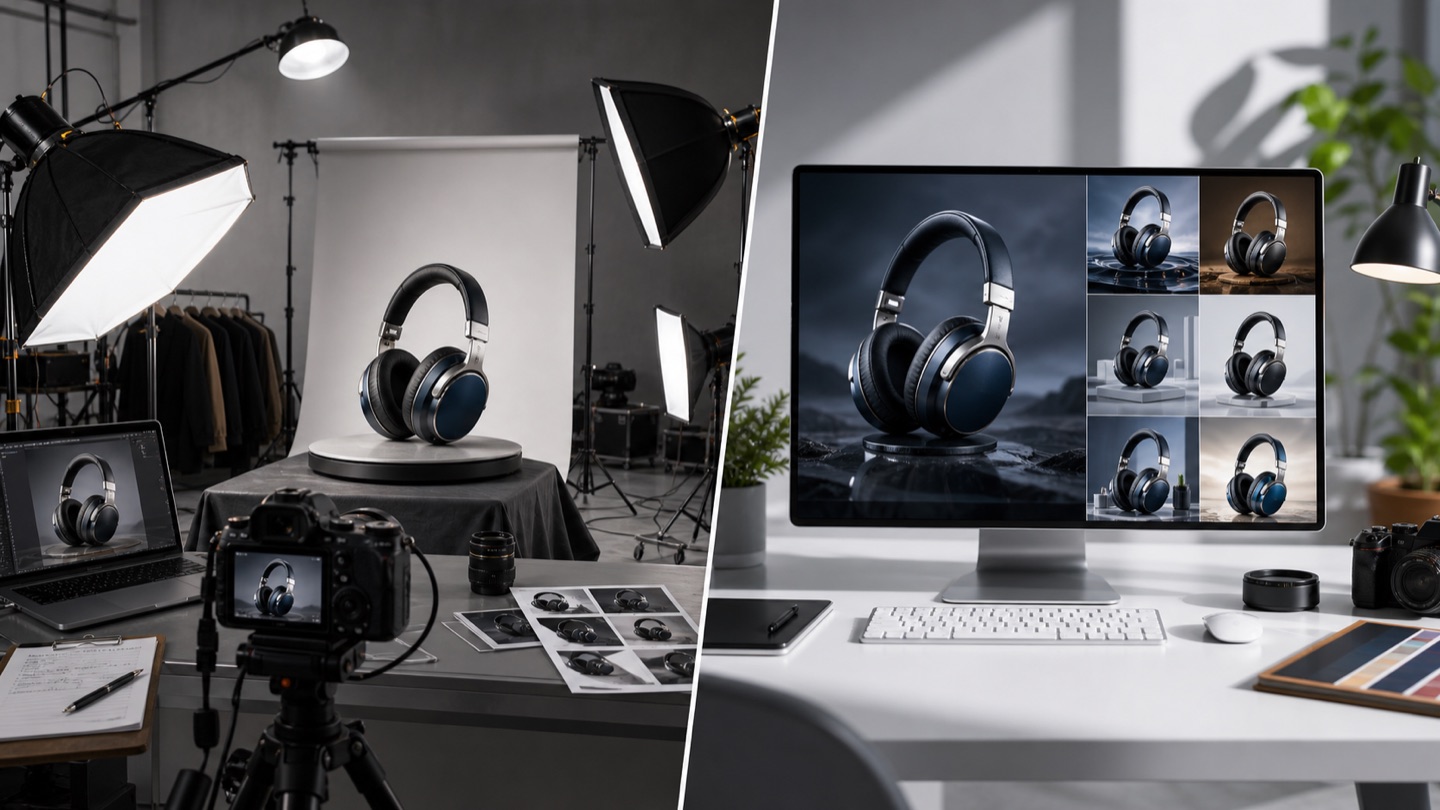
Faster creative testing for ads and landing pages.
Lower marginal cost for new backgrounds, crops, and seasonal variations.
More visual depth for stores that cannot shoot every SKU repeatedly.
Human review is still required before publishing.
Highly reflective, transparent, tiny-text, or legally sensitive products need extra checks.
A weak source image can reduce output quality, so input preparation matters.
Use a clean product reference with visible shape and material.
Generate images for a specific placement, not a vague campaign idea.
Check product accuracy before judging artistic style.
Avoid publishing outputs that change functional details, labels, sizes, or colors.
Use descriptive file names, alt text, captions, and structured data so images support SEO and AI citation.
AI Product Photography Studio FAQ
It is a workflow for turning product references into ecommerce-ready studio, lifestyle, detail, and ad visuals with human review before publication.
A generic tool can invent attractive images. A product photography studio workflow keeps the SKU reference, product details, channel crop, and review step close to the output.
No. It can help create and test many product visuals, but important launches, regulated products, reflective materials, and tiny label details still need careful human review.
No. Rewarx helps create and review product visuals; SEO, traffic, conversion, and revenue must be measured after publication.
Start with one valuable SKU, create a product-forward hero, a lifestyle image, a detail crop, and an ad variant, then review the set before scaling.
Create reviewed ecommerce product visuals from real SKU references and prepare them for product pages, ads, marketplaces, and reusable campaigns.